Fleet management technology is advancing rapidly in 2026 as businesses adopt AI-powered telematics, predictive maintenance, real-time GPS tracking, and driver safety solutions. Modern fleet management platforms help organizations reduce fuel costs, improve vehicle utilization, enhance compliance, and increase operational efficiency. Industry analysts expect demand to continue growing as logistics, transportation, construction, and field service companies invest in digital fleet operations.
What Is Fleet Management Technology?
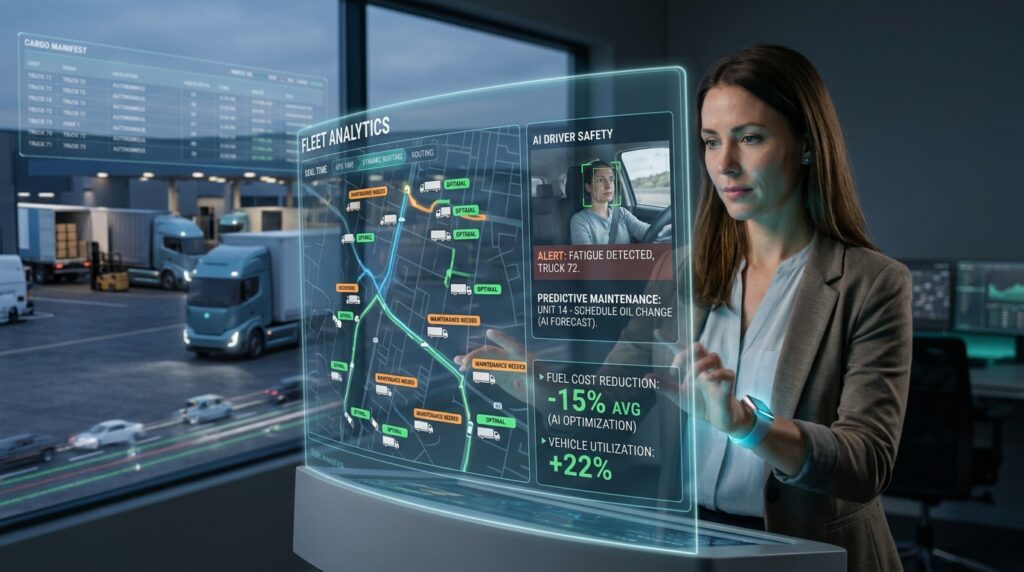
Fleet management technology combines software, GPS tracking, telematics, artificial intelligence, and connected sensors to monitor and optimize commercial vehicles.
Core capabilities include:
- Real-time vehicle tracking
- Route optimization
- Driver behavior monitoring
- Preventive maintenance scheduling
- Fuel management
- Electronic logging device (ELD) compliance
- Dash camera integration
- Fleet analytics and reporting
These tools give fleet managers complete visibility into vehicle performance and daily operations.
Leading Fleet Management Technology Providers in 2026
Several providers dominate the global fleet management market with comprehensive cloud-based solutions.
1. Samsara
Samsara remains one of the industry’s leading platforms, offering AI-powered fleet management, real-time GPS tracking, vehicle diagnostics, smart dash cameras, and extensive third-party integrations. It is well suited for businesses managing medium to large fleets.
2. Verizon Connect
Verizon Connect is recognized for its advanced tracking capabilities, customizable dashboards, route optimization, and strong customer support. It serves transportation, construction, utilities, and service businesses worldwide.
3. Geotab
Geotab provides scalable telematics with powerful analytics, driver safety reporting, compliance tools, and open platform integrations that support fleets of every size.
4. Motive
Motive focuses on fleet safety and compliance through AI-powered dash cameras, driver coaching, ELD compliance, maintenance tracking, and real-time fleet visibility.
5. Fleetio
Fleetio specializes in maintenance management, vehicle inspections, work orders, fuel tracking, and asset lifecycle management, making it ideal for maintenance-focused organizations.
Key Features Businesses Should Look For
When selecting a fleet management provider, companies should evaluate:
- Live GPS tracking
- AI-powered safety monitoring
- Predictive maintenance
- Fuel usage analytics
- Driver scorecards
- Route optimization
- Mobile applications
- Cloud-based reporting
- API integrations
- Regulatory compliance
Choosing a platform with these capabilities helps maximize return on investment.
AI Is Reshaping Fleet Management
Artificial intelligence is becoming a standard feature across leading fleet management platforms.
AI helps organizations:
- Predict vehicle failures
- Detect risky driving behaviors
- Reduce fuel consumption
- Automate maintenance scheduling
- Improve dispatch efficiency
- Analyze operational trends
- Enhance driver coaching
These technologies improve both safety and productivity while reducing operational costs.
Industries Using Fleet Management Solutions
Fleet management technology supports many industries, including:
- Logistics and transportation
- Construction
- Oil and gas
- Utilities
- Government agencies
- Delivery services
- Field service organizations
- Waste management
- Public transportation
- Emergency response services
Each industry benefits from improved vehicle visibility, maintenance planning, and operational control.
Benefits of Modern Fleet Management Platforms
Organizations adopting advanced fleet technology often experience:
- Lower fuel expenses
- Reduced maintenance costs
- Better driver safety
- Improved compliance
- Higher vehicle utilization
- Faster dispatching
- Increased customer satisfaction
- Reduced downtime
- Better asset management
These improvements contribute directly to long-term business profitability.
Emerging Trends in 2026
Several innovations are shaping the future of fleet management technology:
Predictive Maintenance
AI analyzes vehicle data to identify potential mechanical issues before they cause breakdowns.
Smart Dash Cameras
AI-enabled cameras monitor driver behavior, detect distractions, and automatically record safety incidents.
Electric Fleet Management
Software now includes battery health monitoring, charging optimization, and electric vehicle analytics.
Connected IoT Sensors
Sensors provide real-time information on engine performance, tire pressure, cargo temperature, and vehicle diagnostics.
Advanced Analytics
Modern dashboards convert operational data into actionable business insights for managers.
How to Choose the Right Fleet Management Provider
Before selecting a solution, businesses should consider:
- Fleet size
- Industry requirements
- Budget
- Integration with existing software
- Mobile accessibility
- Customer support quality
- AI capabilities
- Reporting features
- Scalability
- Compliance requirements
A platform that aligns with current needs while supporting future growth offers the greatest long-term value.
Future Outlook
Fleet management technology will continue evolving through artificial intelligence, automation, connected vehicles, and electric fleet support. As businesses seek greater efficiency and sustainability, providers that combine real-time visibility with predictive analytics and intelligent automation are expected to lead the market.
Conclusion
The fleet management technology providers landscape in 2026 is defined by innovation, AI-driven analytics, and cloud-based fleet operations. Leading platforms such as Samsara, Verizon Connect, Geotab, Motive, and Fleetio help organizations improve safety, reduce costs, and optimize fleet performance. As digital transformation accelerates across transportation and logistics, investing in the right fleet management technology will remain a strategic priority for businesses worldwide